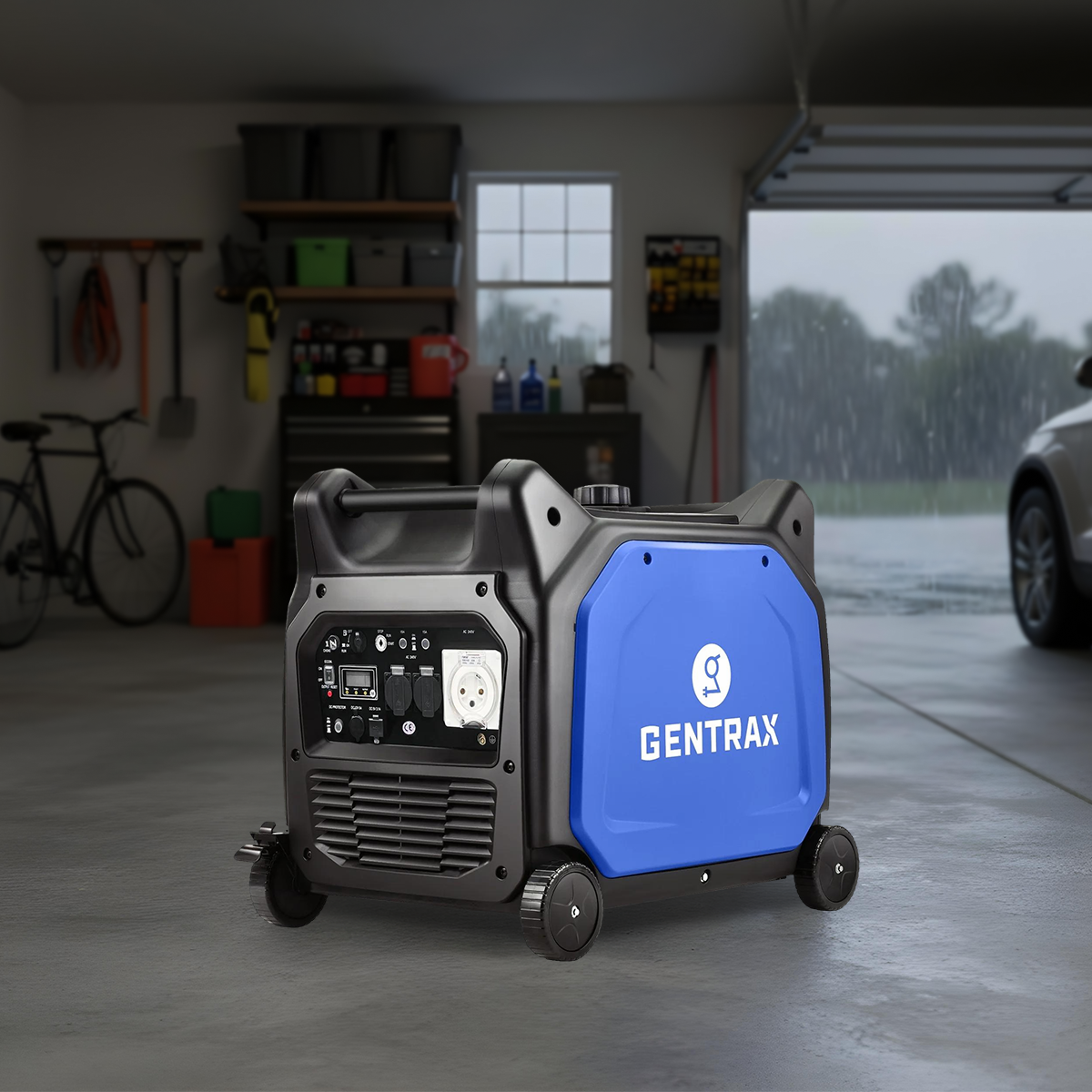
Bushfires and severe storms are becoming more frequent and intense across many parts of Australia. These extreme weather events are placing increasing pressure on power infrastructure.
When the power goes out, it can quickly affect daily life. Refrigeration fails, communication devices lose charge, and essential appliances stop working. In high-risk situations, power loss can also affect safety and emergency response. Investing in an emergency generator for home use is a practical step for Australian households before the bushfire and storm season.
This article serves as your guide to home generator backup use during emergencies.
Home Emergency Generators for Australian Storm Season
Power outages during bushfires and storms are often caused by fallen trees, damaged transmission lines, flooding, or precautionary grid shutdowns. In regional and rural areas, restoration times can extend from several hours to multiple days. For households in bushfire- and storm-prone regions, home emergency generators offer both practical support and peace of mind.
During an outage, essential needs remain unchanged. Refrigerators and freezers must keep food safe. Lighting, medical devices, internet connections, and phone charging are also critical for safety. A reliable home generator backup provides continuity during these disruptions.
An emergency generator for house use helps families keep essential systems running. This can reduce stress and help them stay connected when the grid fails.
Understanding Different Types of Home Emergency Generators
There are many different emergency backup generator systems. Understanding the main types helps homeowners choose the right solution for their needs.
Portable vs Standby Home Emergency Generators
Portable units are flexible and cost-effective options for short-term or occasional emergency use. An emergency generator portable model can power selected appliances during outages. It can easily be stowed when not required.
Standby systems are permanently installed and typically offer more comprehensive coverage. They operate automatically during outages and can support larger portions of the home. These systems often suit households that need consistent whole-home coverage.
Diesel vs Petrol Generators
An emergency diesel generator is known for its durability and longer runtime. Heavy-duty or rural applications often use diesel engines where extended outages are common.
Petrol generators are lighter and more widely accessible. They are often chosen for smaller backup needs and are easier to transport and store. For many households, petrol units provide a practical balance between power output and portability.
Inverter vs Traditional Generator
A home inverter generator offers quieter operation, improved fuel efficiency, and cleaner output. This makes it well-suited for sensitive appliances such as computers, medical equipment, and modern electronics.
Traditional generators often provide higher power output. This makes them more suitable for large tools or high-demand equipment. For homeowners primarily focused on backup essentials, an inverter generator for home backup can provide stable and efficient performance.
How to Choose the Right Emergency Generator Size
Generator size refers to the amount of electrical power the unit can safely produce, measured in watts. Choosing the right emergency generator size prevents both underperformance and unnecessary expense.
Identify Your Power Needs
Careful load assessment ensures the emergency backup generator for home use matches actual household needs. First, identify critical appliances that must operate during an outage. These may include refrigerators, lighting circuits, internet routers, medical devices, and water pumps. Whole-house backup requires significantly more capacity than powering a few essentials.
Bushfire emergencies may require running air filtration systems, communication devices, and refrigeration for longer periods. Storm outages may involve sump pumps or additional lighting.
Understand Running and Starting Watts
To avoid picking a generator that is too small for surge demands or overspending on a unit far larger than necessary, it’s important to understand starting watts and running watts.
Some appliances, such as refrigerators or pumps, require extra surge power when starting. Failing to account for this can overload the generator.
Preparing Your Home for Safe Generator Use During Emergencies
Proper setup is just as important as choosing the right emergency power generator.
Place an emergency generator for home use in a well-ventilated area. Never operate it inside garages, enclosed patios, or near windows and doors.
During storms, place it on elevated, dry, and stable ground to avoid water exposure. Using weather protection covers can provide additional shielding while maintaining airflow.
In bushfire conditions, pay attention to heat exposure, ash, and airflow. Keep the generator clear of flammable materials and ensure adequate ventilation. Noise considerations are also important in residential areas. Opt for an inverter generator for quiet operation to avoid disturbing your neighbours during extended outages.
Maintenance and Emergency Readiness
The best inverter generator for home backup during storm and bushfire season is one that won’t fail you. This is why backup generator maintenance is essential.
A basic home generator maintenance checklist should include:
- Checking engine oil levels and replacing oil if required
- Inspecting and cleaning air filters
- Testing spark plugs or battery condition
- Ensuring fuel is fresh and uncontaminated
Regularly running the emergency backup power generator for short test periods ensures it functions well. It’s also best to know how to store fuel properly. Store petrol in approved containers and rotate it periodically. Keep diesel free from contamination and moisture.
Safety, Compliance, and Responsible Generator Use in Australia
Safety must remain the highest priority when operating emergency generator for homes. Carbon monoxide is a serious hazard. Never use generators indoors or in partially enclosed spaces. Installing carbon monoxide alarms inside the home adds another layer of protection.
Homeowners should also follow Australian safety standards and local regulations regarding generator installation and electrical connections. In many cases, connecting a generator directly to household wiring requires professional installation to prevent back feeding into the grid.
For standby systems or complex setups, it’s best to seek professional advice. Responsible operation ensures that emergency generator systems provide safe and reliable backup power during extended outages.
Be Prepared Before the Power Goes Out
A properly chosen and maintained emergency generator for home use is a practical safety investment. Correct sizing ensures essential appliances stay powered while safe placement protects you from risk. Routine maintenance guarantees dependable performance when it matters most.
Bushfire and storm seasons demand proactive planning. Power interruptions can happen without warning, so it’s best to stay prepared for anything. Explore Gentrax’s range of home emergency generators designed for reliable protection during bushfire and storm season.
Frequently Asked Questions
Should I buy a generator for emergencies?
Yes, if your area often has power outages from storms, bushfires, or grid problems. An emergency generator keeps key appliances like your fridge, lights, and medical equipment running. It can help give you peace of mind during long blackouts.
What size emergency generator do I need?
It depends on what you want to power. Add up the watts of your main appliances, like fridge, lights, air conditioner, or water pump. A small unit can run basics, while a larger one can power most of the house.
How long should the emergency generator work?
It should run as long as the power is out and you have enough fuel. Many portable units can run 8 to 12 hours per tank, while larger systems can run much longer. Always follow safe rest and refuel guidelines.
What is the best emergency generator for home use in bushfire-prone areas?
A reliable inverter generator or standby generator with stable power output is best. Look for strong build quality and safety features like overload protection.
How often should backup generator maintenance be performed?
Basic checks should be done every month, especially if the generator is not used often. Full servicing is usually needed once a year or as the manufacturer recommends. Regular maintenance keeps it ready for emergencies.
