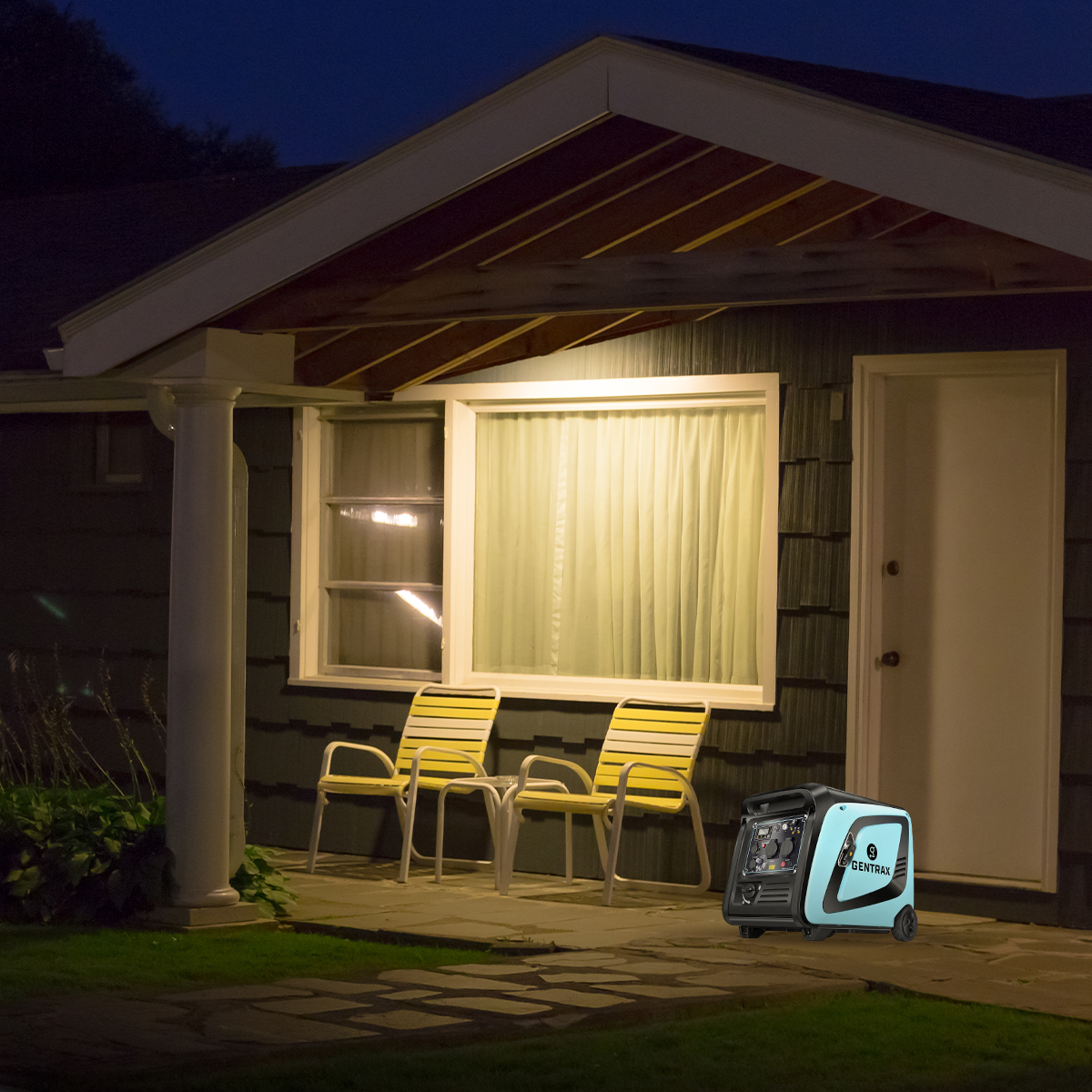
Most homes today are equipped with a backup power plan, especially in Australia. Homeowners often include generators in their emergency preparedness plans. So, it’s no surprise that one of the most common questions people ask is simple but critical. What size generator for home use is actually needed?
Whether preparing for blackouts, extreme weather, or off-grid living, choosing the correct home generator size is important. This guide explains how to size a generator for appliances like refrigerators, air conditioners, and heating systems, while walking you through practical calculations and real-world scenarios.
By the end, homeowners will know what size generator for home use is appropriate and which Gentrax models make sense for their situation.
What Size Generator Do You Need?
Before doing calculations, it helps to answer three quick questions that immediately narrow down the right home backup generator size for you.
- Which appliances must run during an outage? Do you want to run the essentials or multiple household systems?
- Are there high-surge appliances involved? Refrigerators, AC units, pumps, and heaters all have surge requirements.
- Is this basic backup or partial, whole-home power? Occasional outages require less capacity than long-term backups.
Quick Generator Size Guidelines
These general ranges provide a good starting point when figuring out what size is appropriate for house generators:
- Fridge + lights + WiFi + small devices: 2-3 kW
- Fridge + small AC unit: 3.5-5 kW
- Fridge + medium AC + several appliances: 6-8 kW
- Partial whole-home backup: 8 kW or more
However, relying only on rough estimates can be risky. To protect appliances and ensure reliable performance, proper sizing is important.
Why Choosing the Right Generator Size Matters
Selecting the wrong generator size can create more problems than it solves. An undersized backup power generator for home use may overload, shut down unexpectedly, or damage appliances during startup surges.
Oversizing isn’t ideal either. A generator that is too large can waste fuel, cost more upfront, and produce unnecessary noise. It may also run inefficiently when powering small loads.
Correct sizing ensures:
- Stable voltage for sensitive electronics
- Longer generator lifespan
- Better fuel efficiency
- Safer operation during extended outages
Key Factors That Affect Your Home’s Generator Size
Accurate sizing isn’t just about watts—it's about matching real household needs. To do that, homeowners must understand the factors that shape total power demand.
Appliance Load: Continuous vs Surge Power
To make sure you choose a generator to run household appliances, consider two power levels:
- Continuous Power: Power needed during normal operation, usually called the Rated Output (kW)
- Surge Power: Short surge required to start motors, usually called the Max Output (kW)
If you’re specifically on the hunt for a generator for a refigerator or a generator to run AC units, take note of these levels. These appliances may need two to three times their running wattages at startup. Your generator’s rated output must cover all your running appliances, while its max output must handle the single highest surge power.
Seasonal Demands
Your power needs vary based on the season, so it’s also worth considering.
- Summer: Air conditioning places heavy load demands. A generator for AC units must handle high surge watts, especially during heatwaves.
- Winter: Heating systems can draw continuous power depending on the type. Electric heaters often require more wattage than gas systems with electric fans.
Home Size and Lifestyle
A generator for house use needs to fit not just your lifestyle but the size of your home as well. Larger homes usually mean more devices running at once. Multiple TVs, computers, lighting circuits, and kitchen appliances add up quickly.
Emergency vs Prolonged Backup
Occasional outages may only require a small portable unit. Multi-day outages or off-grid living, on the other hand, may demand a larger one for whole-house coverage and longer runtime.
Future Expansion
Many homeowners underestimate future needs. Adding another fridge, freezer, split-system AC, or workshop equipment can push power demand beyond the average home generator size initially planned.
With these factors in mind, the next step is translating theory into numbers.
How to Calculate the Right Generator Size
Still wondering how to calculate generator size for home needs? Here’s a quick guide:
Basic Formula
- Step 1: Add all running loads (rated power needed) Step
- 2. Identify the highest starting load (max power needed)
- Combine running load + startup buffer
Example 1: Fridge + WiFi + Lights
Estimated appliance power needs:
- Refrigerator running: 0.7 kW
- Refrigerator startup (Max): 2.0 kW
- WiFi + lights + devices: 0.5 kW
Calculation:
- Total running load (Rated): 1.2 kW
- Highest startup load (Max): 2.0 kW
- Recommended size ≈ 3.2 kW
Result:
A 3.5 kW generator size for refrigerator and small appliances works well here.
Example 2: Fridge + One Split-System Air Conditioner
Estimated appliance power needs:
- Refrigerator running: 0.7 kW
- AC running: 1.5 kW
- Other devices (lights, router, chargers): 0.5 kW
- AC startup (Max): 3.5 kW
Calculation:
- Total running load (Rated): 2.7 kW
- Highest startup load (Max): 3.5 kW
- Recommended size ≈ 6.2 kW
Result:
Choose a mid-range generator to run AC unit systems safely.
Example 3: Multi-Appliance Home Backup
Estimated appliance power needs:
- Refrigerator + freezer: 1.5 kW
- Lights + electronics: 1.0 kW
- AC: 1.5 kW
- Pump or motor load: 1.0 kW
- Highest startup load (Max): 4.0 kW
Calculation:
Total running load (Rated): 5.0 kW Recommended size ≈ 9.0 kW
Result:
This is where larger inverter models with 5 kW Rated and ~9.0 kW Max output are ideal.
Common Sizing Mistakes
Choosing the correct home generator size helps prevent repeated overloads, protects connected appliances, and allows the generator to run more efficiently and reliably over time.
Here are some common mistakes to avoid:
Ignoring AC Surge Watts
One of the biggest mistakes you can make is ignoring AC surge watts. Air conditioners require a much higher burst of power when the compressor starts than when it’s running normally. If your standby generator at home can’t handle that brief surge, it may trip, shut down, or struggle every time the AC cycles on, especially during hot weather when the unit starts more frequently.
Forgetting Refrigerators Cycle On and Off
This is another common oversight you should avoid. While a fridge may seem low-power, each startup draws significantly more electricity than its running wattage. When a refrigerator restarts at the same time as lights, routers, or other appliances, an undersized generator can quickly become overloaded.
Underestimating Future Additions
Many buyers also underestimate future appliance additions. House generators that work today may fall short later if another freezer, air conditioner, or home office setup is added. Planning only for current needs often leads to premature upgrades or limitations during longer outages.
Buying Too Small to Save Money
Some homeowners buy something small to save money upfront. While the initial cost may be lower, an undersized generator for appliances tends to run at maximum load constantly, leading to poor fuel efficiency, frequent shutdowns, and a shorter lifespan.
Gentrax Generators for Home Appliance Backup
Gentrax generators are engineered for stable, efficient household backup. Their inverter technology delivers clean power ideal for sensitive electronics while maintaining fuel efficiency and quiet operation—key features for any standby generator home setup.
Why Gentrax Is Ideal
What makes Gentrax so great? Aside from the obvious being that they:
- Are safe for sensitive electronics;
- Are fuel-efficient and Euro-5 certified; and
- Operate quietly;
They’re also designed for real-world home use. They handle startup surges from appliances like refrigerators and air conditioners without constant tripping or shutdowns. This balance of stability, efficiency, and reliability makes them a practical choice for everyday home backup.
Gentrax Generator Recommendations by Home Use Scenario
Different homes have different backup needs. Below are typical use cases to help match generator capacity with real household scenarios.
Entry-Level (2 to 2.5 kW): Essentials Only
Ideal for keeping critical items running during short outages, like the refrigerator, basic lighting, internet, and small devices. A compact and practical backup power generator for home emergencies is ideal, such as the Gentrax GT200 Inverter Generator.
Mid-Range (3 to 5 kW): Daily Comfort
Suitable for homes needing cooling and more flexibility. If you have a refrigerator and a split-system AC, some kitchen appliances, and home office equipment, the award-winning Gentrax GT3500 is a solid option.
High-Capacity (6 to 8 kW+): Multi-Appliance Use
Designed for higher-demand setups and longer outages. Models like the GTX6600 inverter generator are best for multiple refrigerators or freezers, air conditioning units, pumps and heating systems. These models suit partial whole-home backup or off-grid living, where more appliances must run at once.
Here’s a quick comparison of the Gentrax three models:
| Gentrax Model | Rated Output | Max Output | Ideal Use | Runtime | Noise Level |
|---|---|---|---|---|---|
| Gentrax GT2000 | 1.7 kW | 2 kW | Light Use | 6.1 Hours (50% Load) | 60dB |
| Gentrax GT3500 | 3 kW | 3.5 kW | Moderate Load | 4.1 Hours (50% Load) | 62dB |
| Gentrax GTX6600 | 6 kW | 6.6 kW | Multi-Appliance | 6.6 Hours (50% load) | 62dB |
Power Confidence Starts with the Right Size
Choosing the correct home generator size doesn’t need to be complicated. Understanding appliance loads, surge output, and real household needs makes it easy to determine what size generator for home situations best suits you—whether it’s a basic unit or a full backup solution.
Accurate sizing prevents wasted fuel, protects appliances, and ensures reliable backup power when it matters most. By following simple calculations and matching needs to the right models, you can confidently choose the right generator for appliances at home.
Want dependable home power? Explore the full range of Gentrax inverter generators now and find the right size for you!
Frequently Asked Questions
What size generator do I need to run a refrigerator?
Most refrigerators need a generator that’s around 2 to 3.5 kW to handle both running and startup power. The startup power is higher when the fridge motor turns on. Choosing a slightly larger size helps avoid shutdowns.
What is a good-sized generator for home backup?
A 3.5 to 5 kW generator is a good size for basic home backup. It can run a fridge, lights, internet, and small appliances. Larger homes may need more capacity.
Can a generator run a split-system AC unit?
Yes, a generator can run a split-system AC if it has enough power. Most small to mid-size units need at least 5 to 7 kW because of high startup demand. Always check the AC’s starting power first.
How do I calculate the right generator size for home use?
Add up the running power of all the appliances you want to use at the same time. Then make sure the generator can handle the highest startup power from one appliance. Add extra capacity to keep the refrigerator from overloading.
Can Gentrax generators power sensitive appliances like TVs and fridges?
Yes, Gentrax inverter generators provide clean and stable power. This makes them safe for TVs, fridges, and other electronics. They help prevent damage from power fluctuations.
