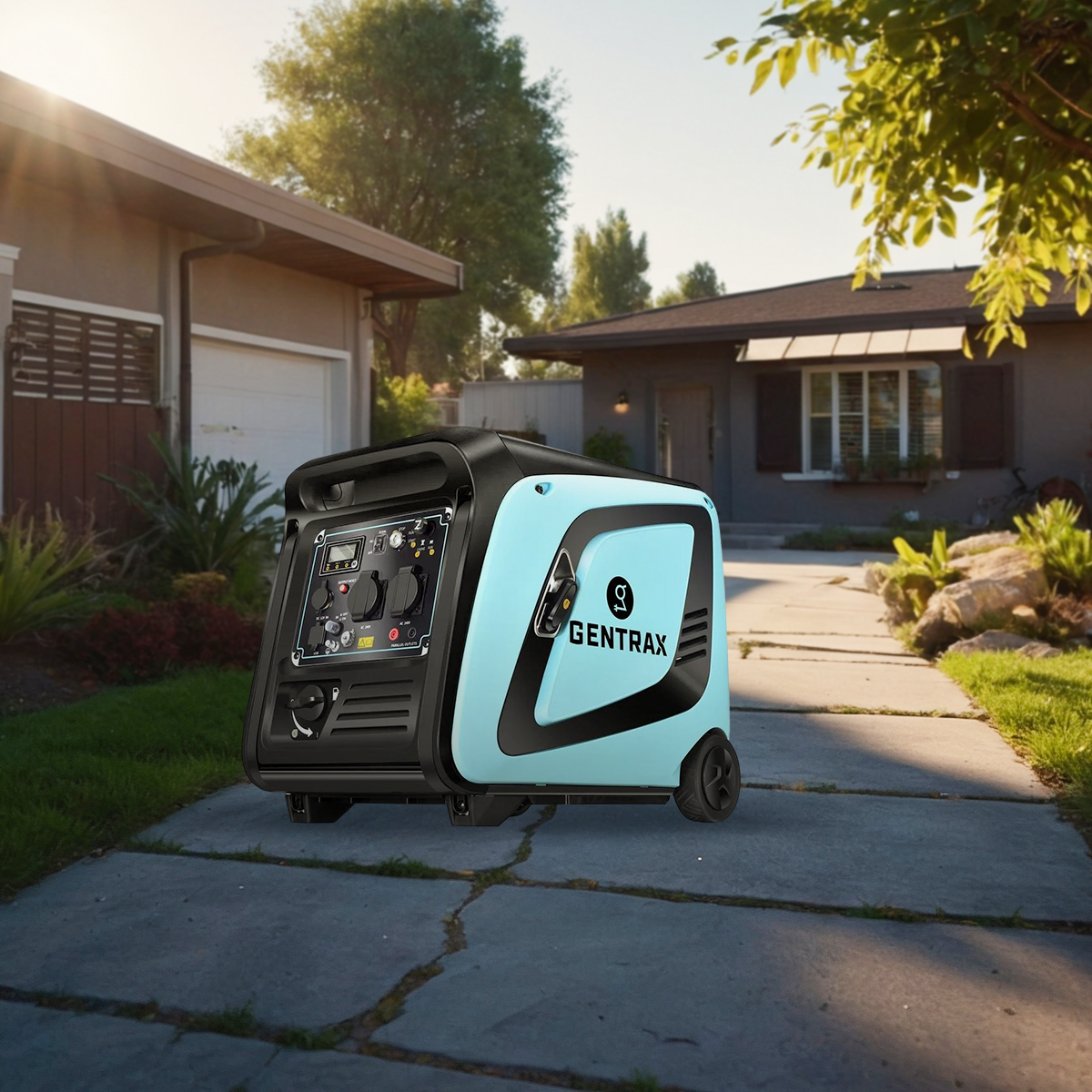
The lights go out, and the storm rages on, so you fire up your generator. Success! Power is restored. Within minutes, your neighbour’s curtains twitch and you realise it might be louder than you thought, and you wish you had a silent generator instead.
If you’ve ever searched how to make my generator quiet, you’re not alone. Quiet generators are a lifesaver, at home or a bush campsite. Keeping it quiet is not only about comfort but also courtesy to others. In this article, we’ll discuss what makes some generators noisy and how to keep the noise to a minimum.
Why Generators Make Noise
Before we quiet things down, it helps to know what’s making all the racket.
Engine speed and vibration
Conventional generators run at a fixed RPM, which creates continuous humming. So, a higher load equals louder sounds.
Open-frame design
Many generators have open frames that allow sound to escape freely. This design spreads your home backup generator’s noise across your backyard.
Cooling and exhaust systems
Fans and exhaust systems are among the biggest culprits of high decibel levels. When your backup power generator for home use works hard to stay cool, it naturally gets noisier.
Fuel type
Diesel units are known for their rumble, while petrol and inverter generators tend to run smoother and quieter.
Distance and environment
Even where you place your generator affects how loud it feels. Hard surfaces like concrete reflect sound, while grass or soil absorbs it better.
How to Make Your Generator Quiet
Knowing how to make a generator quiet can save you. The good news? You don’t need fancy tools or expensive gear. A few simple tweaks can make a big difference right away.
Here are some tips to reduce generator noise at campsites or at home:
Choose the Right Generator
The first rule of quiet power? Don’t overload your unit. Running beyond its wattage limit makes any generator noisier. Petrol generators are generally quieter than diesel models, and quiet portable generators are ideal for light household use.
Position Matters
Set your generator on soft ground or use an anti-vibration mat to absorb tremors. Avoid placing it near walls or under decks, where noise can echo.
Exhaust Direction
Always point the exhaust pipe away from fences or neighbours. It may sound simple, but this alone can significantly cut perceived noise.
Create Sound Barriers
For quick portable generator noise reduction, surround your unit with plywood panels, acoustic blankets, or a custom noise-reduction box. Just make sure there’s enough airflow to prevent overheating.
Maintenance Matters
Loose bolts, clogged air filters, or work-out mufflers all amplify sound. Regular upkeep keeps your home backup generator running smoothly and quietly.
Distance Equals Silence
Even a few extra metres between your generator and living area makes a big difference. Use long, heavy-duty cords to position it farther away safely.
Go Quieter from the Start – Choose an Inverter Generator
What if you don’t want to bother doing these DIY fixes and want one that’s built to be quiet from day one? Sure, that’s possible.
So, what’s the best quiet generator for house use? Definitely an inverter generator. They’re modern, efficient, and designed to keep the noise levels low while delivering reliable power.
Why Inverter Generators are Quieter
Modern inverter generators are engineered for low-noise operation:
- They automatically adjust engine speed based on power demand
- Advanced mufflers and enclosed casings minimise sound output
- Variable RPM reduces unnecessary revving
- Compact builds absorb vibration effectively
- Smart power management maximises efficiency while cutting noise
- Their pure sine wave output creates cleaner, smoother power with less vibration
Ideal for Residential and Outdoor Use
Whether you’re looking for a quiet generator for house use or a silent generator for camping, inverter units strike the perfect balance between power and peace.
Gentrax’s Quiet Inverter Range
Gentrax’s quiet inverter generators are built for Australia’s lifestyle. They deliver stable, efficient energy at impressively low decibel levels. Let’s look at the rise of truly quiet power solutions across Australia.
The Rise of Silent Generators in Australia
More Australians are choosing quiet generators for camping, caravanning, and emergency home use. Local councils and holiday parks now enforce stricter noise restrictions, while homeowners seek cleaner, quieter energy sources.
With a Gentrax silent inverter generator that meets these modern expectations, you can’t go wrong. The entire range is reliable, efficient, and exceptionally quiet.
Quiet Gentrax Generators for Home and Outdoors
Choosing the right model depends on your lifestyle. Here are some of the best quiet generators for home backup or camping from Gentrax:
Gentrax GT2000 Inverter Generator – Everyday Quiet Power
- Compact and easy to carry, it’s perfect for caravans or small households
- This unit operates at about 58dB at 7 metres, which is quieter than a normal conversation
- Ideal for powering fridges, lights, and small appliances
Gentrax GT3500 – All-Rounder for Home Backup
- A top-rated quiet emergency generator for home use
- Smooth engine control for efficient, low-vibration operation
- Awarded multiple times as one of the best generators for house backup
Gentrax GTX4200 Pro – Heavy-Duty Silent Performer
- Designed for tradies, large homes, and long-term outdoor use
- Delivers quiet, dependable performance even under heavy loads
Why Gentrax?
All Gentrax models operate within 65 dB. Some even go as low as 58 decibels, which is exceptionally quiet. They’re fuel-efficient, durable, and backed by strong warranties and support across Australia.
Benefits of Quiet Inverter Generators
Quiet power isn’t just about convenience; it’s about improving everyday life. Quiet generators make it possible to enjoy energy independence without disrupting anyone around you.
- Peaceful power strengthens the community and keeps neighbourhoods calm
- Low noise means less stress and healthier living environments
- Choosing a low noise generator for home appliances reflects a lifestyle of balance, respect, and sustainability
Power Without the Noise
Keeping your generator neighbour-friendly has never been easier. Gentrax leads the way with silent generators designed for comfort, performance, and Australian conditions.
Discover the best quiet generators in Australia at Gentrax – and experience the perfect balance of power, silence, and reliability.
Frequently Asked Questions
How many decibels are considered “quiet” for a generator?
A generator is usually considered “quiet” if it runs at around 50 to 60 decibels from 7 metres away. This is about the same noise level as a normal conversation. Anything above 65dB is generally louder and more noticeable.
Are inverter generators quieter than petrol ones?
Yes, inverter generators are quieter than standard petrol generators (that are not inverter) because of their modern design. Many inverter generators still run on petrol, but they now manage engine speed more efficiently than non-inverter units, and this keeps the noise low. Their enclosed casing also helps reduce sound.
How far should I place my generator to reduce noise?
Placing the generator at least 7 to 10 metres away can noticeably reduce the noise you hear. The farther it is, the quieter it will seem. Soft ground helps absorb better than concrete or other hard surfaces.
Do Gentrax generators meet Australian noise regulations?
Yes, Gentrax generators operate within safe noise limits for residential and outdoor use in Australia. Many campgrounds and local councils accept their low-noise levels. This makes them suitable for both home backup and camping.
Is a quiet generator still powerful enough for heavy appliances?
Yes, quiet inverter generators can still power heavy appliances as long as you choose the right wattage for your needs. Larger inverter models can handle refrigerators, tools, and multiple household devices. Quiet doesn’t mean weak; it just means better engineering.
How does maintenance affect noise levels?
Good maintenance keeps your generator running smoothly and helps it stay quiet. Loose parts, dirty filters, or old mufflers make the unit louder. Regular checks prevent extra noise and extend the generator’s life.
