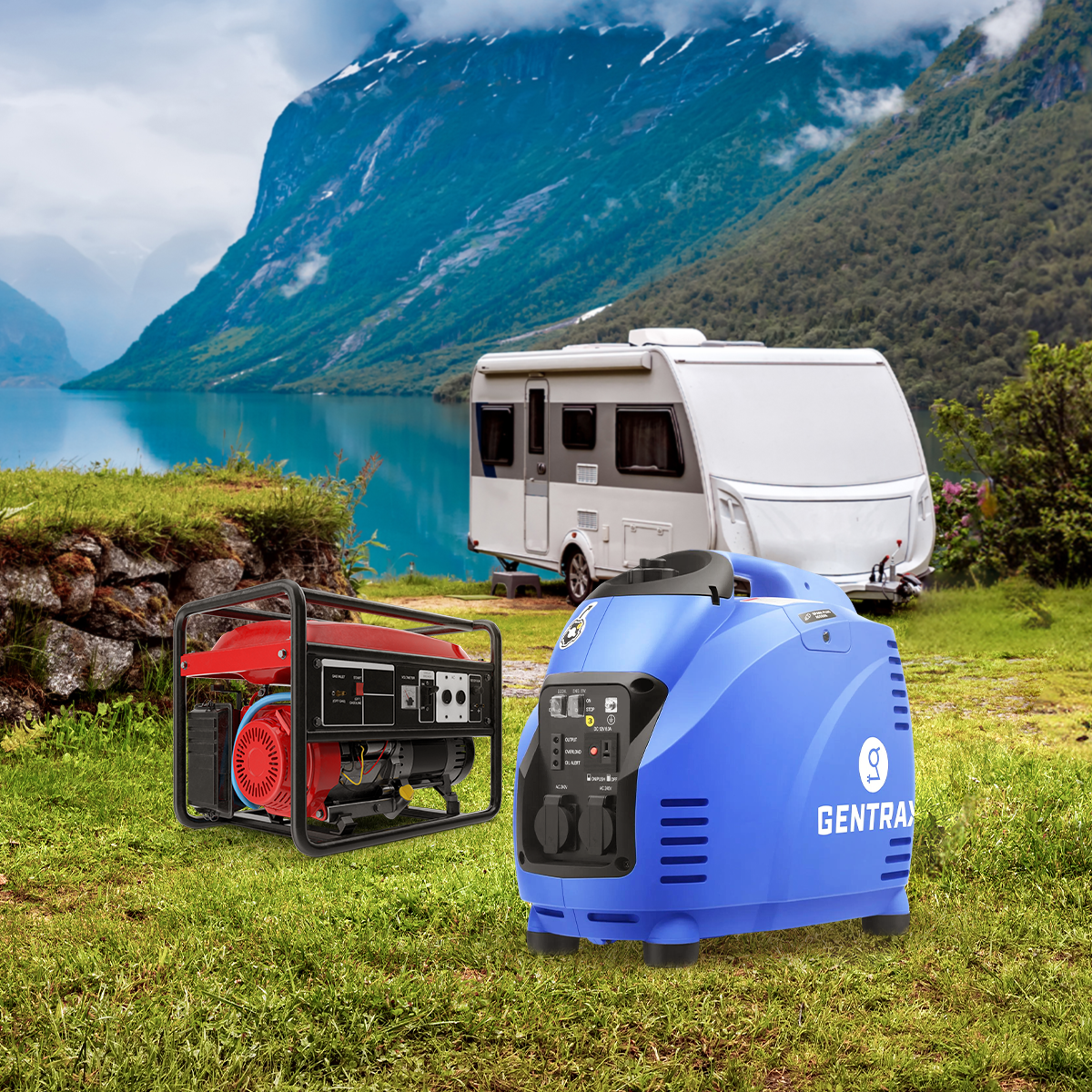
Summer road trips place a heavy importance on portable power. Choosing the right generator is important for comfort, safety, and convenience while on the road. It helps run fridges in extreme heat and charge devices in remote places. In Australia, the debate often comes down to a conventional generator vs. an inverter generator.
Both generator types have strengths, but they perform very differently in real travel conditions. Choosing between the two? We’re dissecting their differences based on considerations for summer road trips, so read on.
Why Summer Road Trips Require the Right Generator Setup
Summer travel creates challenges that don’t exist during the cooler months. High temperatures increase reliance on cooling fans, portable fridges, and even compact air conditioners inside caravans and RVs. These appliances often need stable electricity to operate safely and efficiently.
Long road trips also mean travelling through remote regions where fuel stops may be limited. Noise rules in national parks are also stricter, and holiday campgrounds are more crowded. Plus, you’ll need to have lights, run basic cooking equipment, and charge devices. This makes having a reliable portable outdoor generator more important than ever.
Understanding the Difference
So, what’s the difference between conventional and inverter generator models?
A conventional generator works by running its engine at a constant speed to produce electricity directly. This design is good for basic power needs. However, it often leads to louder operation, heavier builds, and fluctuating voltage output.
An inverter generator, by contrast, produces electricity in stages and converts it into a clean, stable sine-wave output. This difference explains many of the advantages seen in the inverter vs traditional generator comparison. Inverter models are usually smaller, lighter, quieter, and more fuel-efficient.
Why the Difference Matters
The difference between an inverter generator and a regular generator is important for road trips. Travel often involves frequent stops, limited storage, sensitive electronics, and shared campsites. While conventional generators are common on worksites, inverter generators are becoming a better outdoor generator option for travel.
Fuel for Long Road Trips
One major concern when travelling long distances, especially through regional or outback areas in summer? Fuel availability. Carrying extra fuel adds weight and takes up valuable storage space in caravans and travel trailers. This emphasises the importance of fuel efficiency, where inverter generators excel.
Many inverter models have eco-throttle systems. These systems automatically change engine speed based on power demand, reducing unnecessary fuel use. Conventional generators tend to use more fuel because they run at a constant speed regardless of load.
For travellers going long distances, fuel efficiency means saving money. It also allows for longer runtime and fewer stops to refuel during summer journeys. This makes inverter models a more satisfactory fuel generator choice for multi-day trips.
Noise Levels and Campsite Restrictions
Noise is one of the most common complaints in busy campgrounds during summer. Caravan parks and national parks often enforce quiet hours, and crowded holiday seasons mean campsites are closer together.
Inverter generators are typically much quieter because their engines don’t run at full speed continuously. This makes them a popular quiet generator for caravan use and a practical RV generator for shared spaces.
Conventional generators, by contrast, are noticeably louder and better suited to open worksites or private properties. These types work well as a generator for outdoor party setups in unrestricted areas. However, they’re less ideal for noise-sensitive camping spots.
Portability, Weight, and Space Constraints
Summer travel usually means packing more gear—coolers, water containers, shade structures, sports equipment, and food supplies. Storage space inside caravans and travel trailers is limited, making generator size and weight critical.
Inverter models are often made as a lightweight generator or a compact generator. This design makes them easier to lift, carry, and store. Many fit comfortably into tight compartments or vehicle boots.
On the flipside, conventional generators are bulkier and heavier, which can be inconvenient during frequent stops. For travellers who value mobility, inverter units qualify as a small outdoor generator that supports flexible, on-the-move travel.
Power Quality
When considering the difference between conventional and inverter generators, power quality is very important. This is especially true for summer travellers with advanced gear. Modern road trips rely heavily on electronics. Phones, laptops, cameras, GPS units, drones, and medical devices all require stable electricity.
Inverter generators provide clean, pure sine wave output, making them compatible with sensitive devices and caravan systems. This power quality reduces the risk of damage and improves reliability during extended travel. Conventional generators, though, can experience voltage fluctuations, which may not suit modern appliances.
Environmental Impact
Hot summer conditions increase environmental risks, including bushfire danger and emissions concerns. Generators that burn fuel inefficiently or produce excessive exhaust heat can pose additional risks during heat waves.
Inverter generators typically produce lower emissions due to efficient combustion and variable engine speed. This makes them more suitable as an outdoor power generator in environmentally sensitive areas. Travellers can lessen their impact by placing generators away from dry grass. They should also ensure good ventilation and choose fuel-efficient models that follow campground rules and conservation efforts.
When Conventional Generators Still Make Sense
Despite their drawbacks, conventional generators still have a place. They are usually cheaper and can support high-power needs. This includes running several heavy appliances for a long time.
For stationary setups on private rural properties, a conventional generator may be a good choice. This is also true where noise restrictions do not apply. Budget-conscious users with high wattage requirements may also find value in this option.
However, these scenarios are less common for mobile summer road trips involving caravans, RVs, and frequent campsite changes.
Choosing the Right Generator for Summer Road Trips
Selecting the best outdoor generator for you starts with understanding how it will be used. Caravan and RV travellers usually prioritise portability, quiet operation, and fuel efficiency. Campers and trailer users often need a balance between power output and storage space.
For most summer travel scenarios, inverter generators offer the best mix of convenience and performance. A quick checklist helps narrow options: required wattage, runtime per tank, noise level, weight, portability, and safety features.
Thinking about these factors helps you pick a camping generator or the best generator for your travel trailer. This choice supports comfort without making unnecessary compromises.
Power That Travels Well
Summer road trips demand generators that can handle heat, long distances, fuel limitations, and shared spaces. In most comparisons of conventional generator vs inverter generator, inverter models stand out for quiet operation, fuel efficiency, portability, and clean power.
Conventional generators work well for high-demand or stationary setups. However, for summer adventures, an inverter caravan generator is still a better fit for modern travel needs.
Need a reliable power solution for your next adventure? Explore the full range of Gentrax inverter generators today and find one that suits your power needs, not just for summer, but all year long.
Frequently Asked Questions
Which type of generator is better for summer road trips?
An inverter generator is usually better for summer road trips. It’s lighter, quieter, and uses less fuel than a conventional generator. It’s also safer for charging phones, laptops, and other sensitive electronics.
Can an inverter generator run my air conditioner during a summer road trip?
Yes, an inverter generator can run an air conditioner if the generator has enough power. Small AC units may need at least a mid-size inverter generator. Always check the AC’s starting power before choosing a generator.
Is it safe to use a generator during extreme summer heat?
Yes, it is safe if used correctly. Always place the generator outdoors in a shaded and well-ventilated area. Never use it indoors or in enclosed spaces.
Can I use a generator for outdoor parties or camping activities?
Yes, generators are commonly used for outdoor parties and camping. Inverter generators are preferred because they’re quieter and less disruptive. They can power lights, speakers, and small appliances easily.
Should I choose an inverter generator or a conventional generator for easy carrying?
An inverter generator is easier to carry. It’s usually smaller and lighter than a conventional generator. This makes it more suitable for travel, camping, and frequent movement.
Why are inverter generators quieter than conventional generators?
Inverter generators adjust their engine speed based on power demand. This means they do not run at full speed all the time. As a result, they produce less noise than conventional generators.
