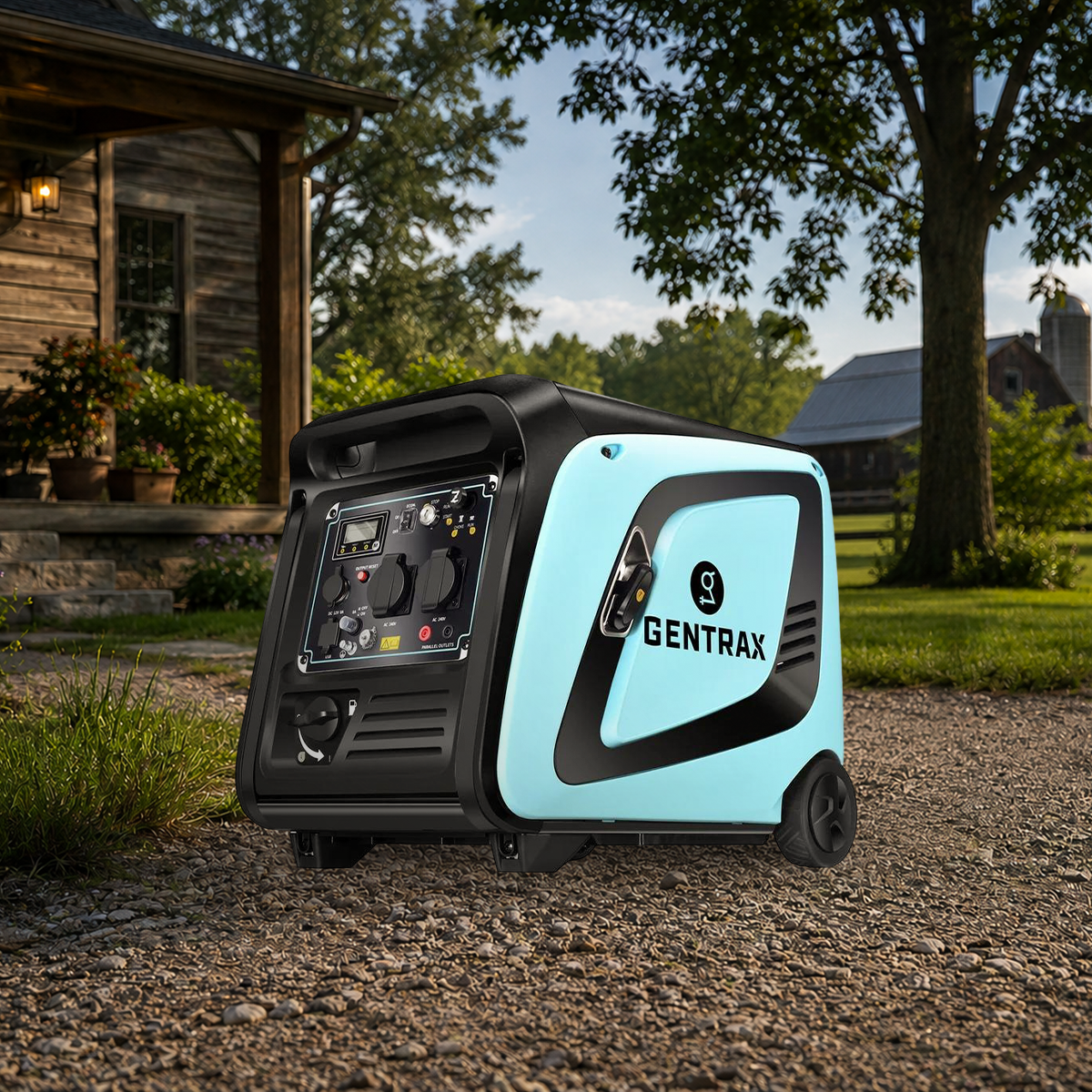
What if a storm rolls through your rural block and knocks out power for three days? The fridge warms up, the Wi-Fi drops, and even basic routines become a challenge. What do you do next?
The answer is simple: alternative power. For this, a backup generator for a rural property comes in handy. Rural homes face longer outages and more unpredictable conditions than urban areas. This guide breaks down the risks, explains how a generator solves them, and shows you why rural portable generators (especially inverter models) are the most practical solution.
Greater Power Risks in Rural Areas
Living outside major cities comes with trade-offs, and power reliability is one of the biggest. Rural grid networks stretch across long distances, meaning fewer crews and longer restoration times when something goes wrong.
Storms, bushfires, cyclones, and fallen trees regularly disrupt power across regional Australia. Add ageing infrastructure and “end-of-line” voltage drops, and it becomes clear why rural power solutions other than the grid are essential.
The real impact goes beyond inconvenience. Power outages in rural areas can mean spoiled food, no water supply, and even risks to livestock. For those running home-based businesses or remote work setups, downtime also translates to lost income.
Understanding these risks is only half the equation. The next step is knowing what keeps a rural home running when the grid goes down.
What a Backup Generator Does for a Rural Home
A portable generator for home backup helps maintain normal life when everything else stops.
Keeps Essentials Alive
A portable backup generator for a house can power critical appliances like refrigerators, freezers, water pumps, lights, and internet routers. It ensures that communication, food safety, and water access remain uninterrupted.
Protects Sensitive Electronics
Modern homes rely on electronics with delicate circuitry. A home backup inverter generator produces clean, stable power that protects devices like laptops, TVs, and medical equipment.
Supports Solar Systems
For off-grid or hybrid setups, a generator can also bridge the gap during cloudy weeks when solar underperforms.
Provides Peace of Mind
During fire or storm seasons, knowing there’s a reliable backup power generator for home reduces stress and keeps households prepared for extended outages.
Portable vs. Standby: Which Generator Suits a Rural Property Best?
Choosing between a portable generator vs standby generator is one of the biggest decisions rural homeowners face.
Standby Generators
Standby generators are permanently installed systems that automatically switch on when the power goes out. They’re designed to run large portions or even the entire home without manual setup.
However, that convenience comes at a cost. These systems are significantly more expensive upfront and require professional installation by a licensed electrician. For properties with high energy demands or critical medical needs, they can make sense, but they’re often more than what a typical rural household actually needs.
Rural Portable Generators
A portable inverter generator offers a far more flexible approach. They don’t require complex installation for basic use and can be deployed exactly where they’re needed—whether that’s the house, a shed, or a remote part of the property.
They’re also more affordable, making them an accessible entry point for homeowners setting up their first home generator backup. Beyond emergencies, they double as a practical everyday tool. They power equipment, tools, or outdoor work where the grid can’t.
Why an Inverter Generator Is the Smart Choice
When comparing a conventional generator vs inverter generator, the difference comes down to power quality, efficiency, and usability.
Clean, Safe Power
An inverter generator for home backup produces pure sine wave electricity. It’s safe for modern appliances and electronics. Conventional units can produce unstable power that may damage sensitive devices.
Quiet and Efficient
Inverter models adjust their engine speed based on the load, so they use less fuel than conventional generators. They also operate more quietly and are usually easier to transport because they’re designed with portability in mind.
Sized for Real Household Needs
Another advantage of an inverter generator for house backup is that they’re available in practical sizes for everyday use. Most rural households don’t need to power an entire property. A 2–4 kW unit is enough to power just the essentials.
How to Choose the Right Backup Generator for Your Rural Property
Selecting the right residential backup generator doesn’t need to be complicated. A simple checklist makes the process straightforward:
Step 1: Calculate your needs
List essential appliances and their total wattage (refrigerator, pump, lights, router).
Step 2: Add a capacity buffer
Allow a 20–25% extra capacity buffer for startup surges.
Step 3: Choose fuel type
Petrol is convenient and widely available, while diesel is better for heavy-duty use.
Step 4: Check noise levels
A quieter emergency generator for home is more practical for overnight use.
Step 5: Confirm compliance
Ensure the generator model meets Australian standards (RCM, emissions, and safety).
Step 6: Look at support and warranty
Reliable service matters more in rural areas where repairs can take longer. Make sure the unit you choose is covered by a comprehensive local warranty.
When Your Generator Earns Its Keep
The value of a residential backup power generator becomes obvious when real situations hit.
Bushfire Season
A generator can keep water pumps, a refrigerator, and communication running during multi-day outages caused by bushfires.
Severe Storms
Blackouts can occur when storms hit. While others lose food and power, your home can remain functional thanks to a generator for power outages.
Off-Grid Support
A portable generator for backup power can support solar systems during low sunlight periods.
Everyday Use
A generator can also power tools and equipment in areas without access to the grid. For backyard parties or if you’re selling food at a pop-up, it’s easy to carry one around for portable power.
Reliable Power When It Matters
Rural properties face higher outage risks, making a backup generator for rural property essential. For most homes, rural portable generators offer the best balance of cost, flexibility, and performance.
Choosing the right portable generator for home backup comes down to sizing, reliability, and local support. Explore Gentrax’s range of portable inverter generator options, built specifically for rural and off-grid conditions, ready to keep homes running when the power goes out.
Frequently Asked Questions
Is a portable inverter generator enough to back up a whole house?
Usually, no. Most portable inverter generators are designed to power essential appliances, not an entire home. They work best for running items like a fridge, lights, and small electronics. Whole-house backup typically requires a larger standby generator.
How long can a backup generator run during a power outage?
It depends on the fuel type, tank size, and load. Many portable generators can run anywhere from 6 to 24 hours on a full tank. Runtime can be extended by refuelling, as long as it’s done safely.
Can I use the same generator for my house and for camping or the farm shed?
Yes, a portable generator can be used across different settings as long as it meets your power needs. It’s a flexible option for home backup, camping, or farm use. Just make sure it has the right capacity and outlets for each situation.
Are inverter generators safe for sensitive electronics and medical equipment?
Yes, inverter generators produce stable, clean power that’s safe for sensitive devices. They’re suitable for laptops, phones, and many medical devices. Always check the equipment’s requirements to be sure.
Do I need an electrician to install a portable generator on a rural property?
If you plan to connect the generator directly to your home’s wiring, an electrician is required for safe installation. This usually involves a transfer switch to prevent backfeeding. For simple plug-in use with extension cords, professional installation isn’t needed, but safety precautions still apply.
