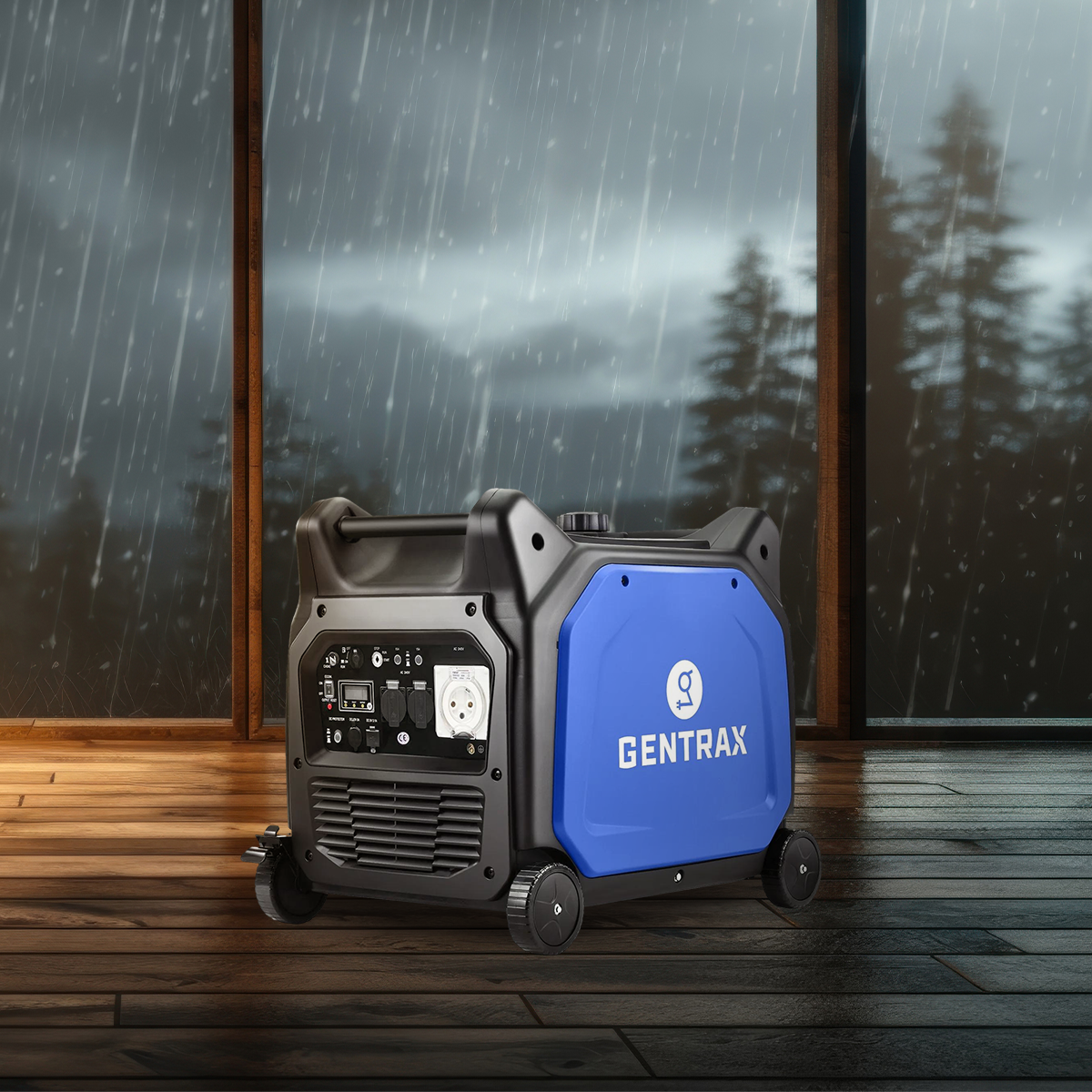
The 2025 cyclone season in Australia was a sharp reminder of how quickly everyday life can be disrupted. In many regions, power went out with little warning, sometimes for days. Fridges stopped, lights went dark, phones ran flat, and households were suddenly cut off from updates and support. For many families, the biggest issue wasn’t comfort, but safety and basic household protection.
In 2026, knowing how to prepare for power outages involves considering an alternative power source, such as home generators for power outages. A properly chosen backup power generator for home use keeps essential systems running, reduces secondary losses, and gives households more control during unpredictable outages caused by cyclones and severe weather.
What Unexpected Outages Can Do to a Home
Home generators for power outages in Australia are becoming increasingly common, particularly in cyclone-affected regions. Here are some reasons why:
Food and Medicine Loss
Without power, refrigerators and freezers stop working. Food spoils, and temperature-sensitive medicines can be ruined within hours.
Safety and Security
Dark homes increase the risk of accidents. Alarms, garage doors, and basic security systems may stop functioning, reducing household safety.
Communication
WiFi routers, phones, and radios rely on power. When batteries run flat, households lose access to emergency updates, weather warnings, and family communication.
Health and Comfort
Fans, heaters, and essential medical devices may be unavailable, increasing stress and discomfort, especially during extreme heat or cold.
How Do Generators Work During a Power Outage?
During a blackout, a backup generator for house acts as an independent power source for the home. When the grid fails, the generator starts and produces electricity on demand.
Fuel such as petrol or diesel powers the engine. The engine drives an alternator, which generates electricity. That power is then delivered to appliances either through extension cords or via a transfer switch connected to selected household circuits. In inverter models, electricity is further processed into a cleaner, more stable output suitable for sensitive electronics.
This process allows continuous power during a blackout, keeping essential appliances running even when the grid is down.
How Generators Protect Your Home During Power Outages
So, how exactly does a generator for a house power outage help?
Keeps Essential Appliances Running
A backup home power generator ensures fridges, lights, and internet routers continue operating during an outage, protecting food supplies and daily routines.
Prevents Secondary Losses
By maintaining refrigeration, lighting, and connectivity, generators reduce food waste, missed work or school, and emergency replacement costs.
Maintains Safety and Security
A house backup generator keeps lights and basic alarms on and lets you charge your phones. This helps households stay safe and responsive, especially overnight.
Supports Sensitive Electronics
When paired with the right generator type, especially inverter models, sensitive electronics can be powered more safely and reliably during outages.
What to Power First: A “Protection Priority” Checklist
Choosing what to power first helps determine the right backup generator for power outage use.
Tier 1 (Critical)
Fridge and freezer, a few lights, phone chargers, and a WiFi router should be prioritised to protect food, safety, and communication.
Tier 2 (Important)
Microwave or kettle, fans, garage door motors, and basic security systems improve comfort and functionality.
Tier 3 (Optional/High Demand)
Partial air conditioning, hot water systems, or pumps may be possible but require careful generator sizing.
This prioritisation directly influences the best generator for blackout and overall household protection.
Power Your Home Safely
Many Australians now have generators for running a house, but it’s still important to remember some safety precautions.
For instance, never back-feed power into wall sockets. This is illegal and extremely dangerous. Second, generators should always be placed outdoors, on a dry and stable surface, with proper ventilation to prevent carbon monoxide risk.
Here are two ways you can use a generator for home power outages:
Option A: Extension Cords
Using heavy-duty extension cords is a simple and portable solution. It allows direct connection to selected appliances and works well with portable home generators for power outages.
Option B: Transfer Switch or Changeover
A transfer switch safely connects a generator to chosen household circuits. This is a more permanent and organised approach for a backup generator for a house setup.
Choosing the Right Generator for Home Protection
The best generator for home power outages is one that fits your home and lifestyle. Here are some tips:
Sizing Basics
Know how to choose the right generator size for your home. Understand running watts versus starting watts. Appliances like fridges and pumps require extra power when starting, which affects generator size.
Runtime and Fuel Planning
Longer outages require sufficient fuel storage and efficient runtime. Planning fuel needs is critical for a power outage backup generator.
Inverter vs Conventional
Inverter generators provide cleaner power and quieter operation, helping protect electronics and reduce noise during extended use.
Portability vs Capacity
For many households, portable home generators for power outages offer flexibility and easy storage. Larger homes may require higher-capacity units.
Australia Context
Weather exposure, storage safety, and readiness are especially important in cyclone-prone areas.
Cyclone Season Readiness: Turning a Generator into a Home Protection Plan
The best generator for home backup power in Australia doesn’t quit on you when you need it most. These pointers can help you set up your backup system to ensure it won’t abandon you in times of need:
Pre-Season Checklist
Perform essential checks before the storm season. Test-run the generator, check oil and fuel levels, inspect extension cords, and confirm your appliance load plan.
Fuel Safety
Store fuel correctly, rotate supplies regularly, and never refuel hot equipment.
Communication and Lighting Backup
Torches, power banks, and battery radios provide extra security when outages last longer than expected.
Power Protection When It Matters Most
Preparation is key to keeping your home and family safe. Home generators for power outages protect your home by keeping critical appliances running, reducing secondary losses, supporting safety and communication, and maintaining stability for essential electronics during outages.
The best results come from matching generator capacity to priority loads and using safe connection methods. Assess your household needs and choose a backup power generator for home that fits your setup. Visit Gentrax to explore generator options, sizing guidance, and cyclone-season readiness support for Australian homes.
Frequently Asked Questions
What size generator to run a house?
The size depends on how many appliances you want to power at the same time. Most homes need between 5 kW and 10 kW for essential items. A licensed electrician can help choose the right size.
How to use a generator during a power outage?
Place the generator outdoors in a well-ventilated area, away from doors and windows. Plug appliances directly into the generator or use a transfer switch. Never run it indoors.
What is a good generator for power outages?
Gentrax inverter generators are a great choice because they are quiet, easy to start, fuel-efficient, and designed to give you dependable backup power.
Is an inverter generator better for home electronics?
Yes, inverter generators produce clean and stable power. This makes them safe for TVs, laptops, and other sensitive electronics. They also run quieter than standard generators.
Can a generator automatically start when the power goes out?
Yes, it’s possible as long as it’s connected to your home's electrical system through an automatic transfer switch. Portable generators usually need to be started by hand.
